Work/UX/UI/№08
UX/UI
Totem
Monitoring dashboard & automation suite
Replaced slow, manual security audits with a real-time, high-density monitoring dashboard driven by the Niagara API.
- Role
- Senior Product Designer
- Year
- 2021-2022
- Team
- 1 designer · Product · Engineering
- Stack
- Figma · Illustrator · Miro
Problem
The legacy risk-monitoring process was completely reliant on manual audits and subjective, paper-based surveys. Data was prone to human error, suffered from massive delays, and offered zero real-time visibility.
Building managers had no way of knowing their actual, up-to-date security posture across diverse software environments, leaving critical data gaps where system failures could go unnoticed for days.
Approach
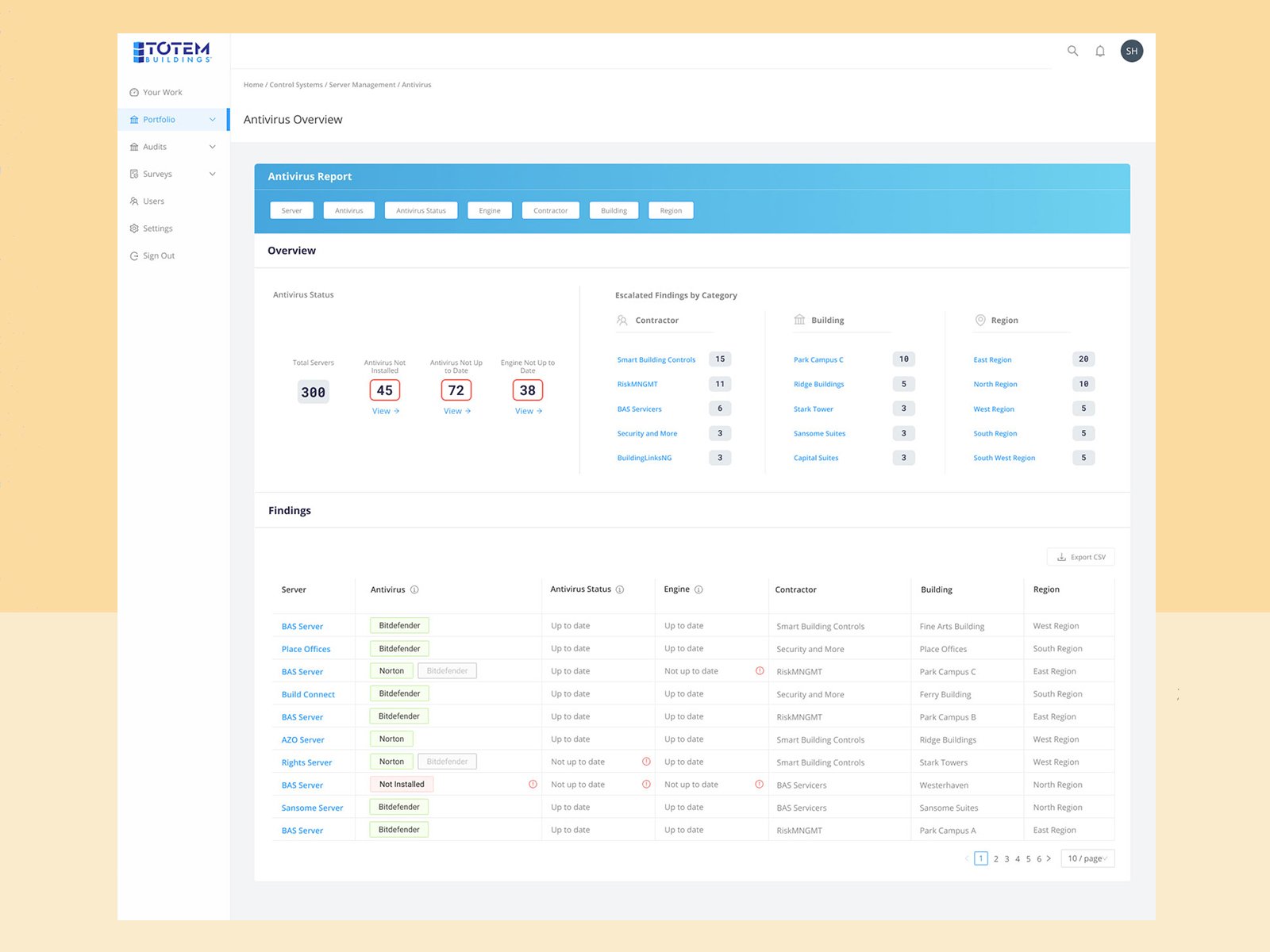
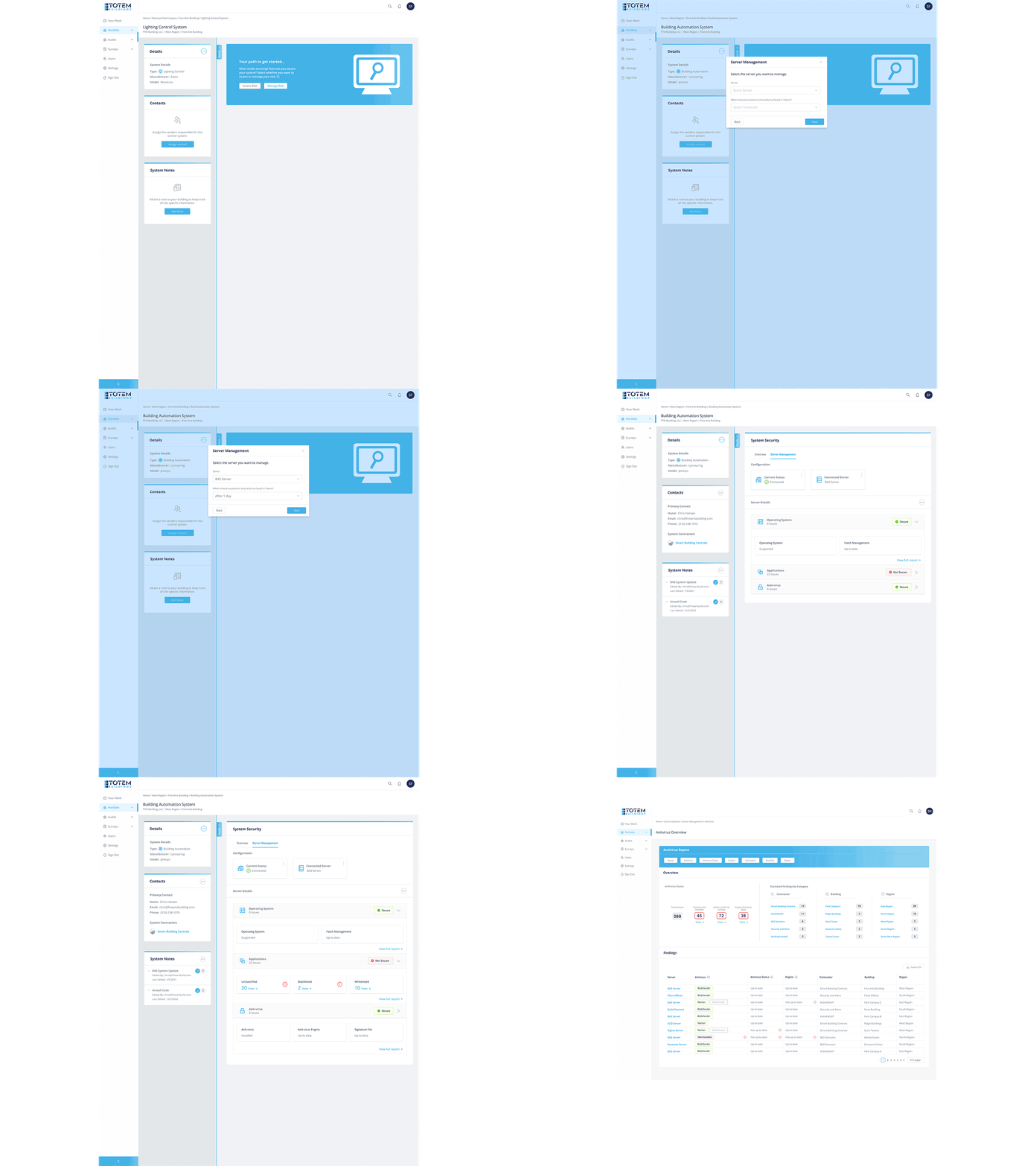
I designed a high-density dashboard that taps directly into automated data streams from onsite control chips via the Niagara monitoring API, transforming a slow, reactive task into a proactive command center for server and system management.
01
Layered information architecture
Operators see portfolio-level system health at a glance and drill down into granular, sensor-level API data on demand, without losing the thread.
02
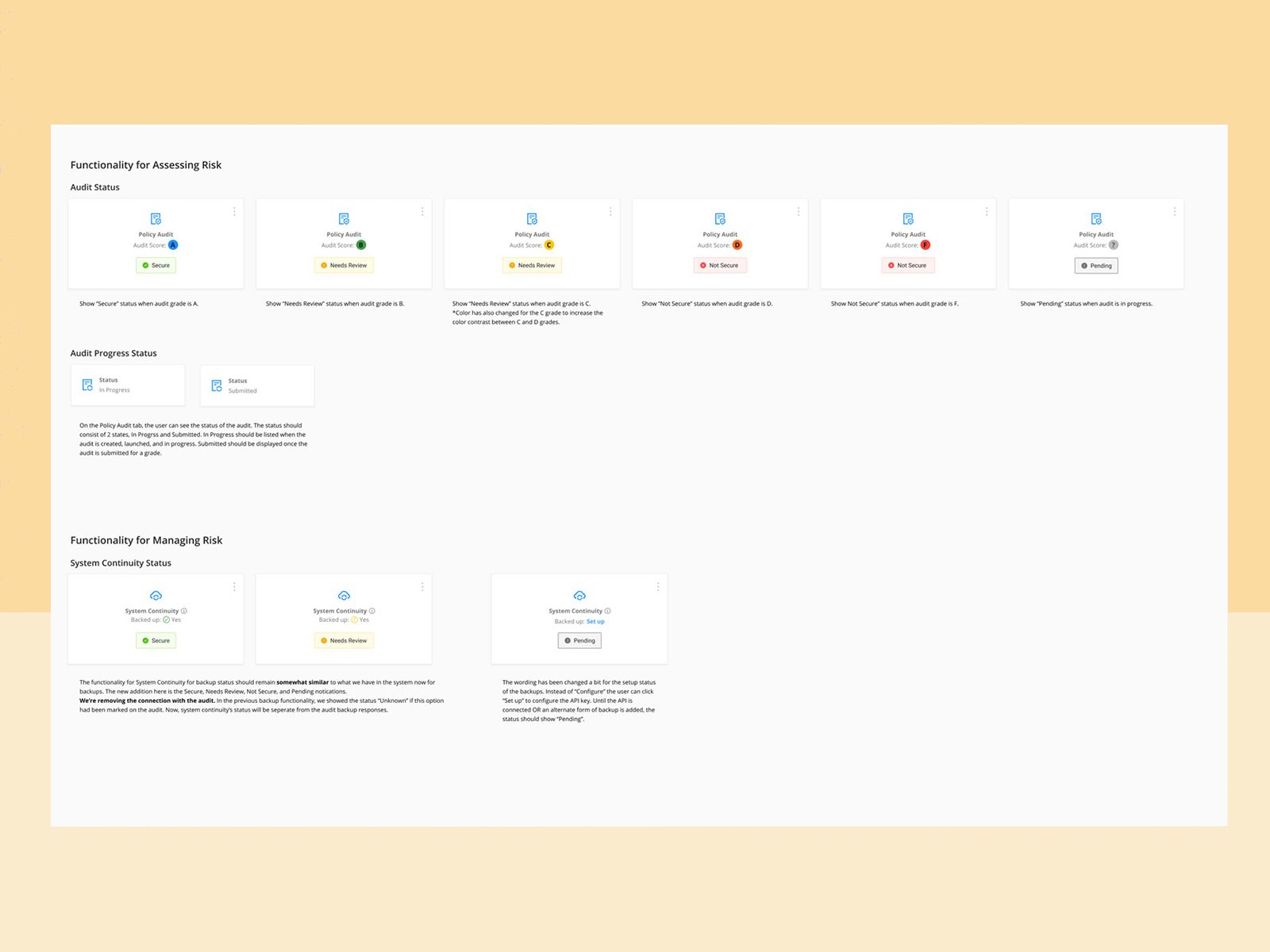
Exception-driven design
The interface focuses on anomalies, highlighting alerts and exceptions so operators instantly spot the one failing system out of hundreds that are working perfectly.
03
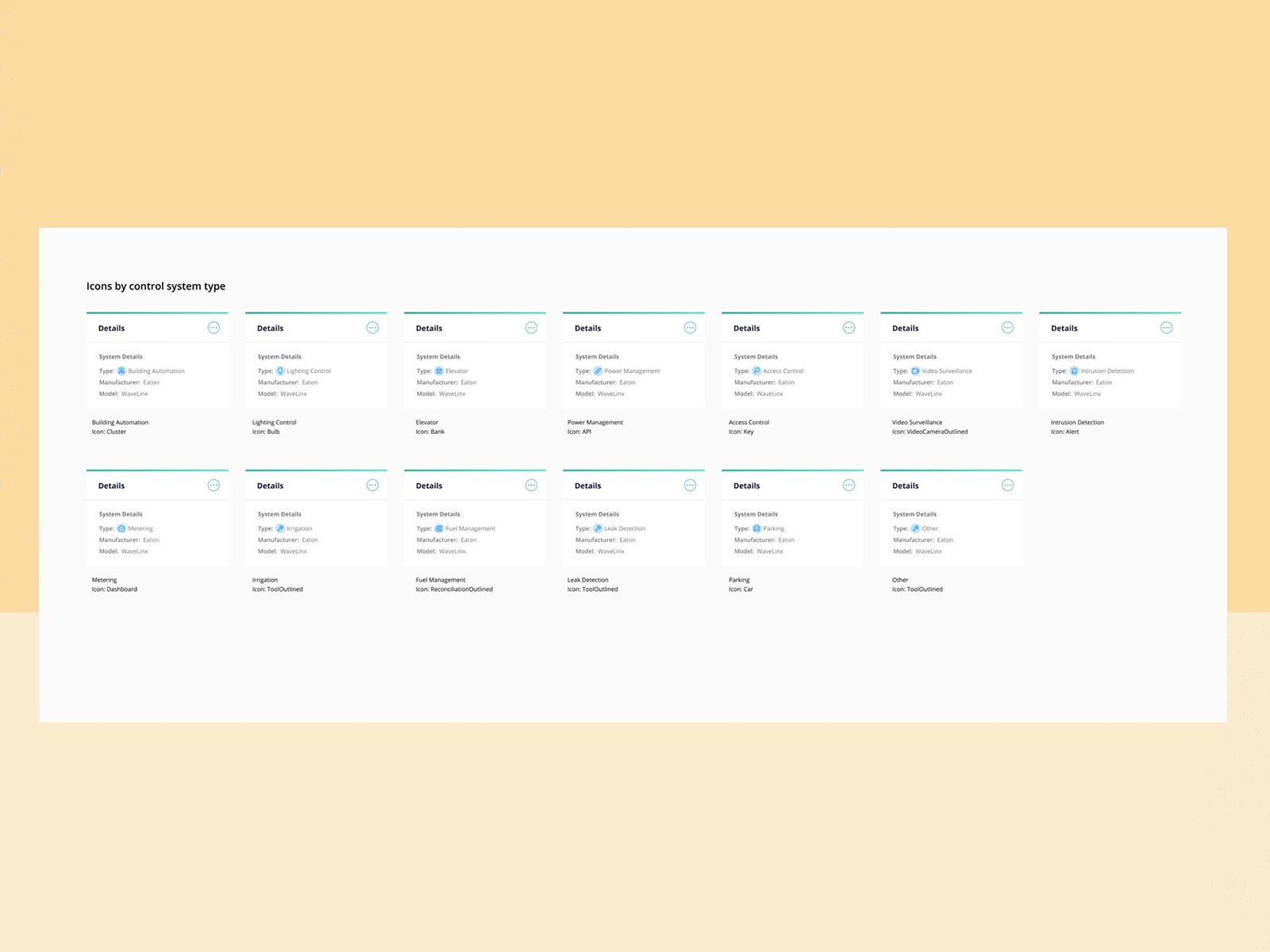
Specialized iconography system
I developed a custom icon set to categorize control systems and statuses, ensuring rapid, cross-language recognition in high-stress environments.
04
Modular, system-agnostic framework
The UI ingests data from any integrated control system, so new hardware types can be added without a complete design overhaul.
05
Technical collaboration
I worked closely with software developers and the client's engineering teams to map exactly what the API could feed us, balancing design goals against technical constraints.
Process
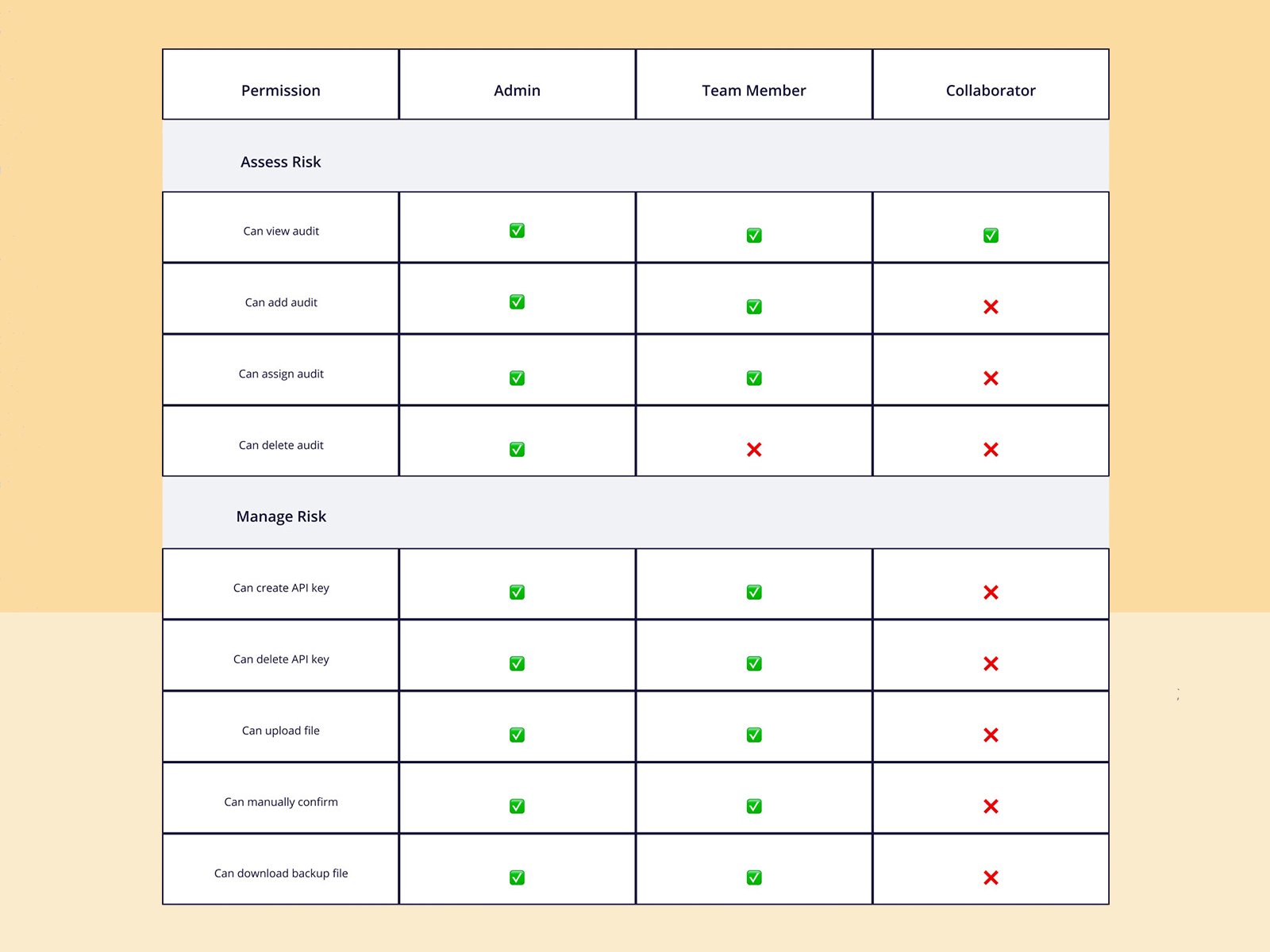
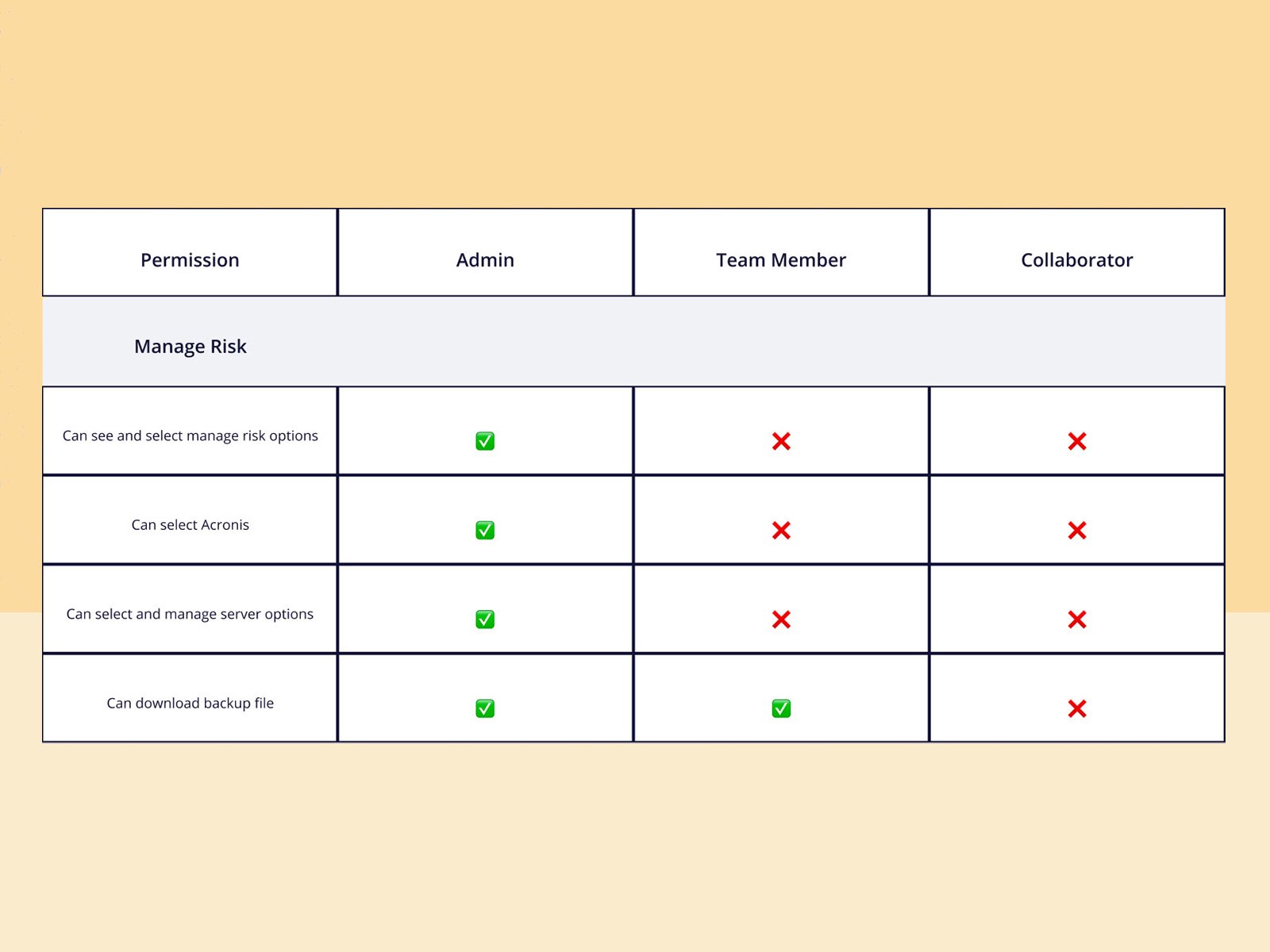
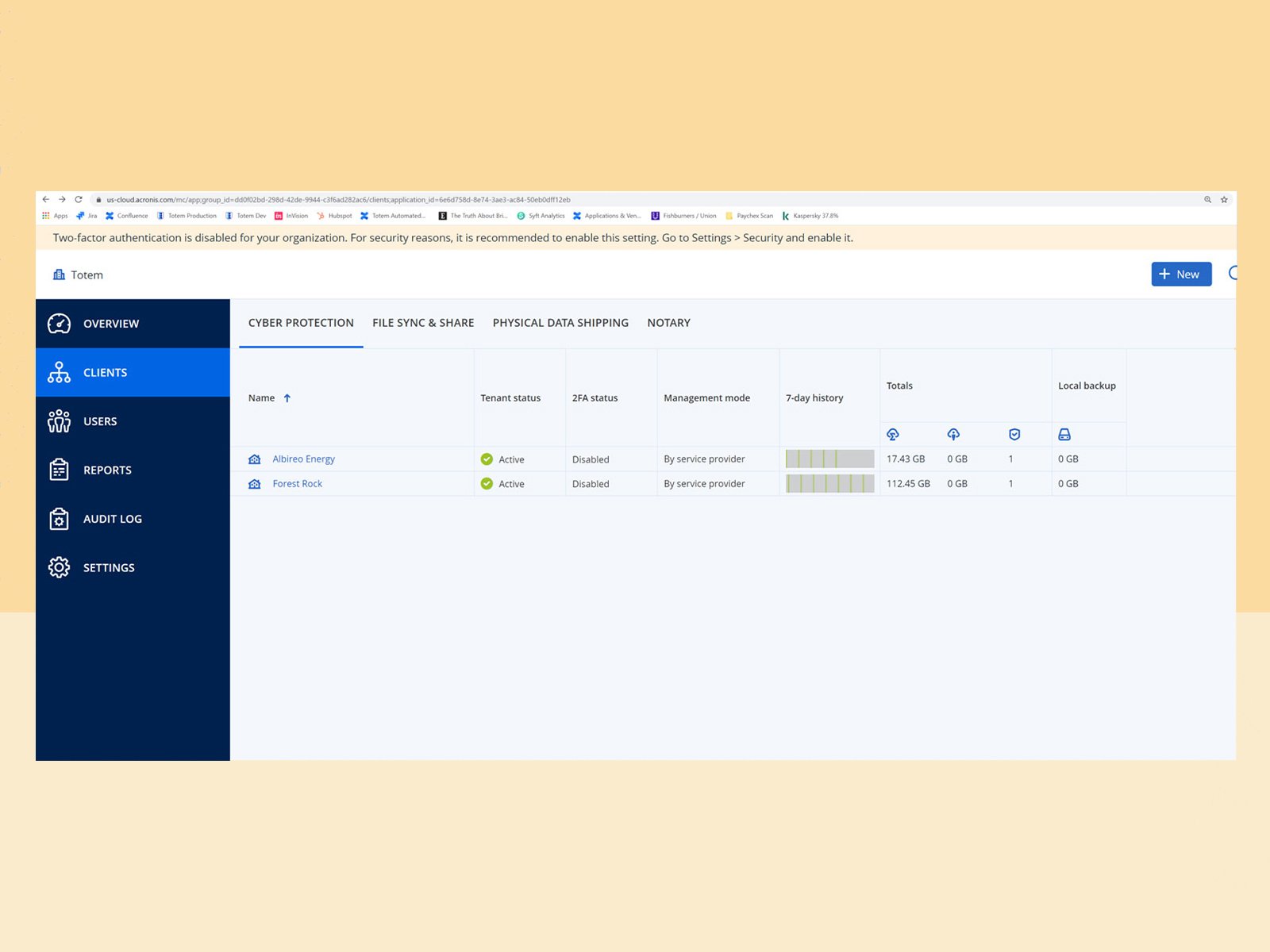
Artifacts from the room.
Outcome
Automating these monitoring protocols drastically increased data reliability and wiped out the heavy labor costs tied to manual audits.
By delivering a constant, real-time overview of all connected systems, we significantly lowered the risk of undetected security or hardware failures across global portfolios.
This project highlighted why technical literacy is so vital for senior designers. Understanding the underlying structure of the Niagara API made it possible to design an interface that was both functional and realistic to build. When designing for automation, the primary job is to tame the noise so the user only sees what actually needs their attention.
Real-time
Automated data streams replacing slow manual audits
Global
Portfolio-wide visibility across connected systems
Scalable
Modular framework accommodating new hardware types
Reliable
Higher data reliability and lower failure risk
Next